
Training
How to Train a Cavachon Puppy: A Practical Singapore Guide
6 Aug 2026 8 min read
Cavachons are soft, sensitive and eager to please. Here's how to toilet train, prevent separation anxiety and teach the basics without ever raising your voice.
Understanding the Cavachon temperament first
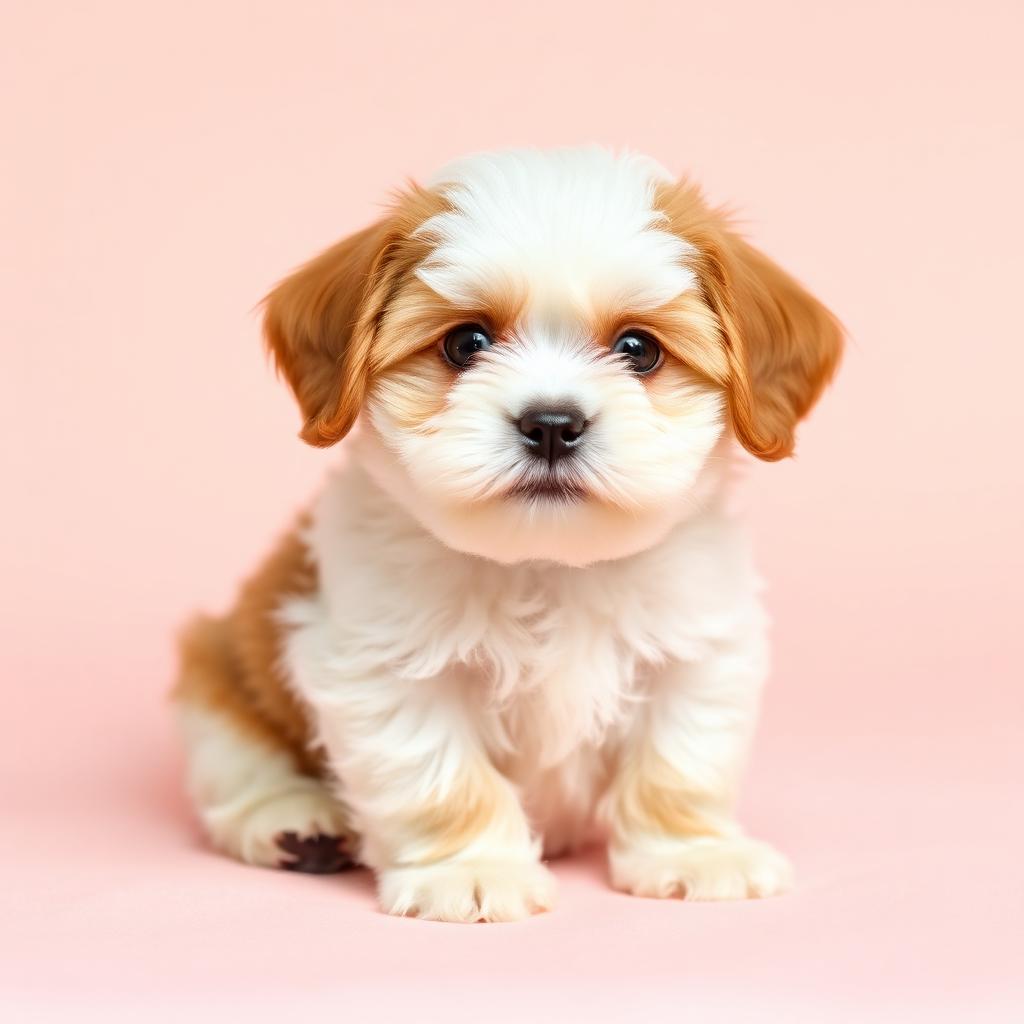
A Cavachon is a Cavalier King Charles Spaniel crossed with a Bichon Frise, and the blend produces a small dog that is unusually soft-hearted. They want to be near you, they read tone of voice acutely, and they shut down quickly if training feels harsh. Nothing in this guide involves scolding, because with this breed it genuinely does not work — a Cavachon that is told off simply stops offering behaviour at all.
The upside is that Cavachons are very food-motivated and highly attentive, so reward-based training moves fast. Most Cavachon puppies can learn sit, touch and their name within the first three days at home.
Keep training sessions short and cheerful: two to four minutes, several times a day, using part of the daily food allowance so you are not overfeeding. Small breeds gain weight easily and joint health matters.
Toilet training a small breed in an apartment
Small bladders mean frequent trips. At eight weeks, take your puppy to the pee pad or grass tray every 40 minutes while awake, plus immediately after waking, eating and playing. Use a consistent phrase, wait quietly, and reward within two seconds of the puppy finishing.
Confine when unsupervised. A playpen with the toilet area at one end and the bed at the other is far more effective than free run of the flat, because puppies naturally avoid soiling where they sleep. Free roaming too early is the single most common cause of slow toilet training in Singapore homes.
Expect steady progress by 12 weeks and near-reliability by 16 to 20 weeks. Small breeds often take a few weeks longer than large breeds; that is normal and not a sign of stubbornness.
Preventing separation anxiety before it starts
Cavachons are companion dogs bred for closeness, which makes them slightly more prone to distress when left alone. Start alone-training in week one, before it becomes an issue. Give your puppy a stuffed chew in the pen, walk to the kitchen, and return after thirty seconds while they are still calm. Repeat many times a day, gradually extending to five, then fifteen, then forty-five minutes.
Avoid emotional departures and reunions. A quiet exit and a low-key hello teaches your puppy that your comings and goings are unremarkable. Leave a radio or podcast playing at low volume so corridor sounds are less startling.
If your puppy panics — non-stop barking, drooling, refusing food, scratching at doors — do not push through it. Go back a step, and get help from a positive-reinforcement trainer early. Separation anxiety is very treatable at four months and much harder at two years.
Barking, jumping and doorbell manners
Cavachons are not naturally loud, but they will alert-bark at lift doors and corridor footsteps if nobody teaches them otherwise. When barking starts, avoid shouting — to a dog that sounds like joining in. Instead, calmly call your puppy to a mat, reward the quiet, and repeat. Over a few weeks the corridor noise itself becomes the cue to come to you for a treat.
For jumping, reward all four paws on the floor and ignore the jump completely. Ask visitors to do the same. It takes about two weeks of consistency, and it is far easier to prevent at 3 kg than to fix at 9 kg.
Grooming handling is training too
Cavachons have a soft, low-shedding coat that mats without regular brushing, so handling tolerance is a training goal in its own right. From day one, spend a minute a day touching ears, paws, tail and muzzle, pairing each touch with a treat. Introduce the brush as a thing that predicts chicken before it is ever used to detangle.
Do the same with nail clippers and the grooming table posture. A Cavachon who was taught this at ten weeks will stand happily for a full groom at ten years — and your groomer will thank you.
The first month, mapped out
Week one: name, toilet routine, pen and crate comfort, gentle handling, thirty-second absences. Week two: sit, touch, mat settle, first short absences of five minutes, household sounds. Week three: come, drop, leave it, longer absences, carried outings to see the world. Week four: loose-leash indoors, a calm meeting with one vaccinated adult dog, and the first vet visit purely for treats.
Every Cavachon puppy from Furgive You SG comes from ethical overseas breeders and is vet-checked, vaccinated for its age and AVS-microchipped before collection at our East Coast Road showroom, where we go through this plan with you in person.
Ready to meet your puppy?
Every Furgive You puppy is ethically imported from Australia, the UK, Ireland or New Zealand — vet-checked, vaccinated and AVS-microchipped before they come home.
Looking for a puppy after reading this?
These are the breeds this guide applies to — see who is available at our East Coast Road showroom right now.